
1. Article Body
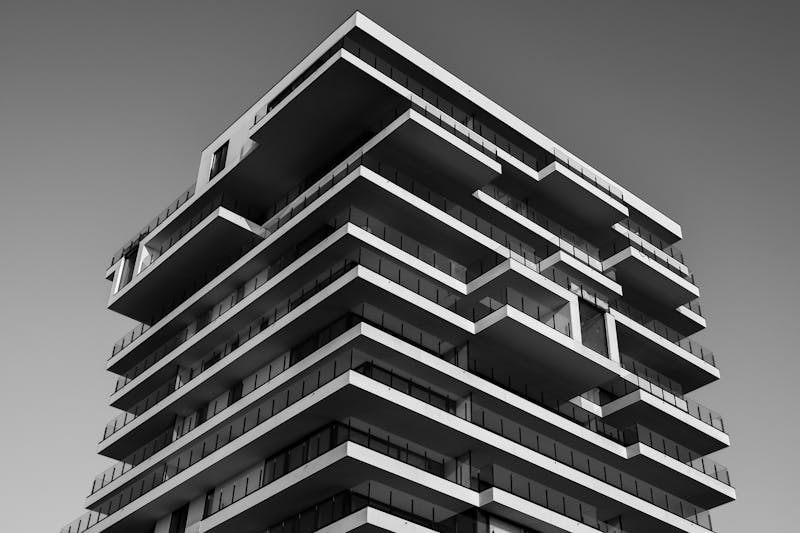
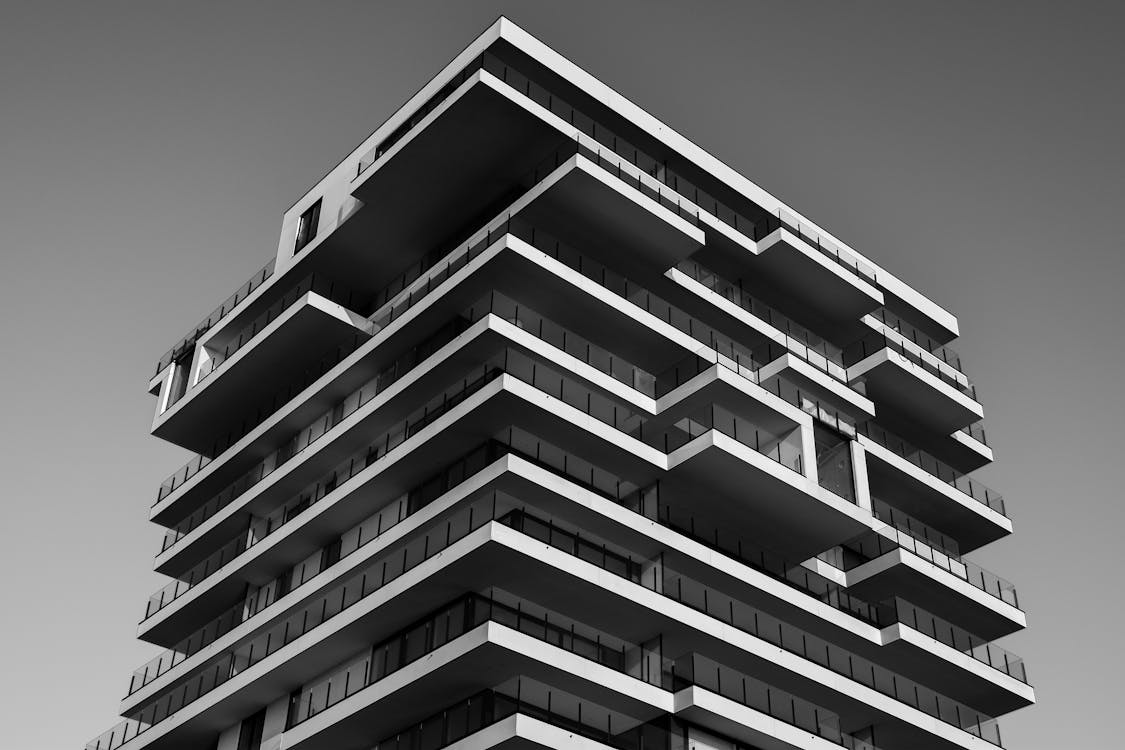
An apartment roof is rarely one roof. Most multifamily buildings carry a mix of low slope over the main mass, steep slope over entries and mansards, small roofs over stair towers and trash enclosures, and balconies that behave like roofs whether or not anyone calls them that.
That mix is the first thing to establish, because a quote for the main roof that ignores the stair towers is not a quote for the building.
The occupancy problem
Nobody leaves. Work happens above people sleeping, working nights and caring for children, seven days a week.
That single fact drives most of the cost difference between an apartment roof and a warehouse roof of the same area. Noise windows, parking displacement, dumpster placement, protected walkways at entries and resident notification are all real scope, not courtesies.
Plan the communication before the crew arrives. A resident who received notice is an inconvenience managed. A resident who did not is a complaint to the owner and sometimes to the city.
Who owns the roof
In a rental building the answer is simple. In a condominium or an association it is not.
Most declarations treat the roof as common element maintained by the association, funded from reserves and assessments. Unit owners hold an interior policy that covers what is inside the walls, and the association holds a master policy.
Read the declaration and the bylaws before a claim rather than during one. The recurring dispute after a leak is who pays for the interior damage below a common element failure, and the answer is in the documents.
Where multifamily roofs actually fail
Not usually in the field. At the transitions between the roof types, at balcony thresholds, at stair tower terminations, at the base of mechanical screens, and at the scuppers that serve small isolated roof areas nobody inspects.
Add the plumbing vents. Multifamily buildings have many more penetrations per square foot than commercial buildings of similar size, because every unit has a stack.
Reserves rather than repairs
The roof is normally the largest single line in an association reserve study, and it is the one most often underfunded because the contribution was set against an optimistic service life.
Get a roof condition assessment with a remaining useful life opinion supported by evidence rather than a table, and feed that number into the reserve study rather than the other way round.
An association that discovers a roof is five years from replacement with reserves funded for fifteen has a special assessment problem, and those are decided in meetings rather than by contractors.
What to establish first
The roof inventory, area by area and type by type. Ownership under the declaration. Reserve position. Penetration count. Access and staging constraints.
Those five decide almost everything that follows, and none of them are roofing questions.